Replacing worn or sinking concrete
When a driveway or walk has cracked, sunk or started holding water, we find out why before quoting a new one, because pouring over the same weak ground repeats the problem.
Discuss your projectPrattville Concrete builds and fixes concrete for homes and small businesses, and we dig out, pack and check the ground ourselves before every pour, since that's what decides how it holds up.
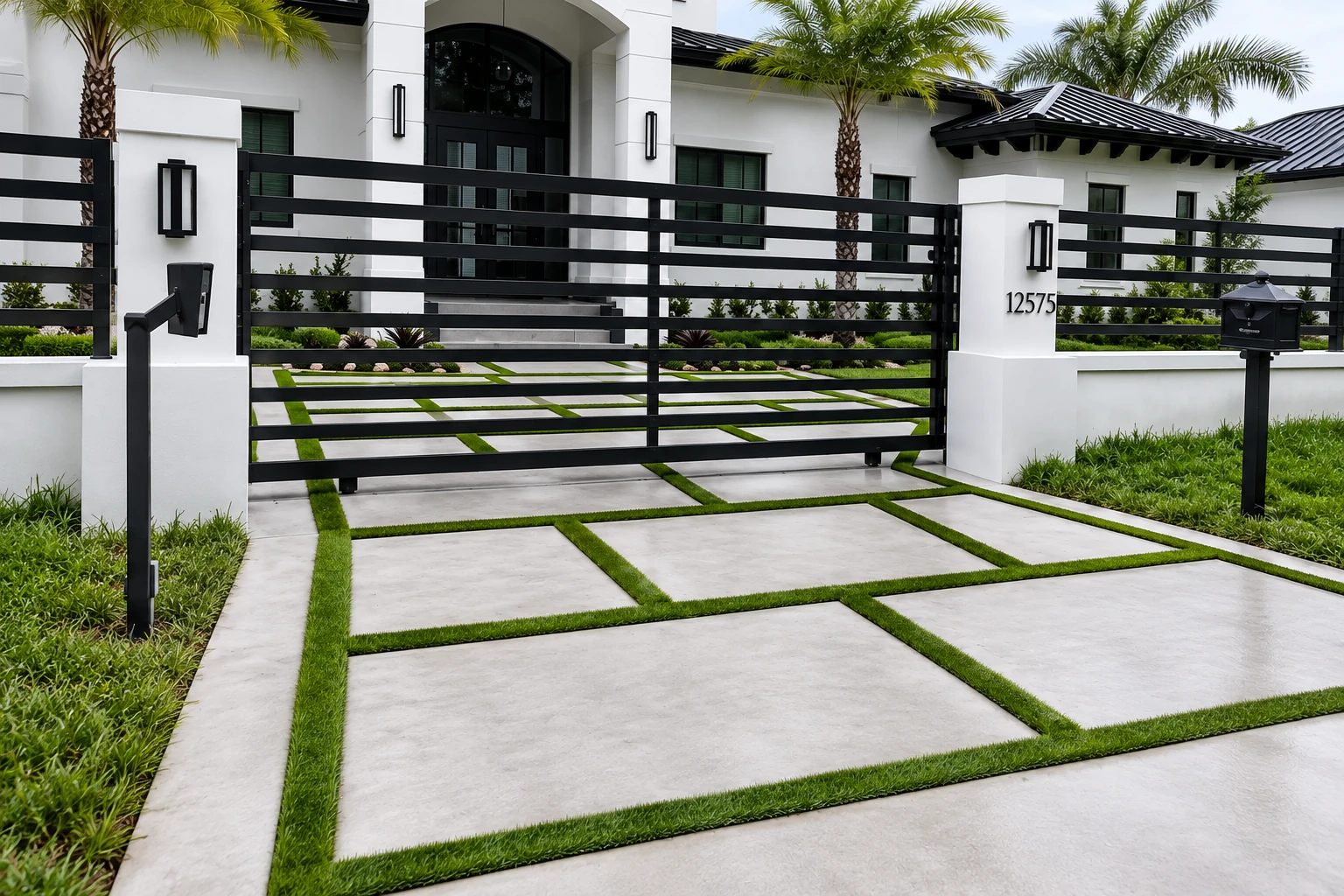
Most calls start one of two ways, with concrete that's cracked, sunk or holding water, or with a piece of the property you'd like to put to better use.
When a driveway or walk has cracked, sunk or started holding water, we find out why before quoting a new one, because pouring over the same weak ground repeats the problem.
Discuss your projectFor a patio off the door, a parking spot or a slab for a shed, we size it around what goes on it, so a table, a truck or a workbench fits without squeezing.
Discuss your projectI come out to look at your job and measure it myself, then I'm on site running it with my crew, so nothing gets lost between the estimate and the pour.
Your estimate lists the parts of the job people forget to ask about, like tearing out the old slab and hauling it off, so you know what the price covers before you decide.
Concrete cracks, so I'll show you where yours likely will and cut control joints there, grooves that give the crack a straight line to follow instead of a random path.
Prattville Concrete is a concrete contractor in Prattville, AL, handling 16 kinds of work for homes and small businesses, from driveways and patios to foundations and cutting. The price mostly moves with size and thickness, whether old concrete has to be torn out and hauled off, how much base work the ground needs, and the finish you pick, since stamped or colored concrete takes more labor than plain. The schedule turns on whether your job needs a permit and on curing, the days fresh concrete needs to gain strength before you walk on it, and longer before you drive on it. I'll measure your job and give you a free estimate with your own figure.
A new driveway poured on a base we dig out and pack, with a broom finish, a light brushed texture, so tires and shoes grip when it's wet.
For a patio you'll actually use, we check where the water runs first and slope the slab away from the house, so rain runs off instead of pooling by your foundation.
Stamped concrete gets pressed with patterns that look like stone, brick or wood while it's still soft, so timing the stamp right matters as much as the pattern you pick.
Walks to the front door, along the side yard or out to the driveway, set even with what's around them so nobody catches a toe on a raised edge.
A garage floor carries your car's weight every day, so we set rebar, steel rods that hold the slab together if it cracks, where the job calls for it.
Color, stain and exposed stone finishes for walks, patios and entries, picked with you on site so the look fits your house and how much upkeep you want.
Concrete walls that hold back a slope so you get level yard or room for a drive, with drainage behind them so water doesn't push the wall over time.
Interior slabs for shops, sheds, additions and small commercial spaces, finished smooth or textured depending on what goes on top and how the room gets used.
A pool deck has to drain away from the water and give wet feet some grip, so we talk through slope and finish texture before we form anything.
New concrete steps for porches, entries and yard slopes, built with every step the same height so nobody misjudges one coming down in the dark.
A slab foundation is often the house's floor and footing in one pour, so the subgrade, the ground the slab sits on, gets dug, packed and checked before any concrete arrives.
Foundations for new homes, additions and outbuildings, set square and level to the plans, because a foundation that's off makes every wall built on it harder to get right.
Parking areas for small businesses and shops, built thicker where trucks turn and sloped so rain runs to the drains instead of standing in the lot.
Footings are the buried concrete under walls, posts and porches that spread their weight out, and getting their depth and size right keeps what's built on them from settling.
When a slab or foundation has settled and left you with sinking floors or uneven walks, we look at why it moved first, because lifting it without fixing that rarely lasts.
Clean saw cuts for new doorways, plumbing trenches or removing a damaged section, so you replace only what's bad instead of tearing out a whole slab.
I got into concrete pouring sidewalks and small slabs for neighbors on weekends, learning from the older hands I worked beside. In 2013 those side jobs turned into enough steady work that I went full time, and we've been known since for doing the ground work right and telling people straight what their concrete will and won't do.
We're licensed and insured. You can read more about our crew and how we work.
We're based in Prattville and work in Montgomery, Millbrook, Wetumpka, Pike Road, Clanton, Holtville and plenty of other cities around them, with the same crew and the same ground work.
Most calls come from homeowners who want a driveway, patio, garage floor or walk, and we also hear from small business owners who need a lot, a floor or a walk poured.
When money's tight, pick a plainer finish before you skimp on the base, because a nice surface on loose ground settles and cracks, and the base can't be fixed later without tearing it out.
Send the form and we'll get back to you within one business day to set a time. Then I'll come out, measure and give you an estimate, with no obligation.
Cracks, sinking, pooling water or a slab you just want gone, a line or two about it helps me know what to look at first when I get there.
We find out which office covers your address, like the City of Prattville or the Town of Pike Road, and when a permit's needed we handle it or walk you through it before we start.
We take calls at (334) 788-0315 from 6 AM to 11 PM, seven days a week, so you can reach us before work or after supper.
These example photos show broom, stamped and colored finishes and different layouts, so you can point at what you like when we meet.
Straight answers to what people ask us first about cracks, curing, permits, licensing and flood zones before they hire a concrete crew.
It'll probably crack somewhere, because nearly all concrete does as it dries and shrinks, but it shouldn't crack the way a slab on a raked-level base does. We dig out and pack the base so the slab has firm ground under it, and we cut the control joints early, where cracks are most likely, so they follow lines we picked.
You can walk on it well before you can drive on it, because concrete keeps gaining strength for days after the pour and heavy tires on a young slab can crack it. I'll give you your walk and drive dates at the estimate, and we try to pour early in the day, since midday heat can leave a weak, dusty top.
Sometimes. If the slab is still mostly in one piece and the ground under it has stopped moving, lifting it can make sense. If it's broken up or still sinking, I'd usually replace it on a properly dug and packed base, because lifting it just buys time. I'll tell you which I'd do on yours, and why, at the estimate.
It depends on the job, so we check with the office that covers your address before we set a date. The City of Prattville's Building Division takes building permit requests for work its building codes cover, and new homes and additions need one. Starting work before a needed permit is issued doubles the city's fee, so we don't.
On bigger home jobs, yes. Alabama requires a license from the Home Builders Licensure Board, renewed every year, for paid work on someone else's home when the job costs more than $10,000. The state's general contractors board covers larger construction jobs too, and in Prattville the city only issues building permits to contractors holding a valid city business license.
You can look at the flood maps kept at the city's Planning Department, which mark the floodplain. Flooding is a risk near the Alabama River, Autauga Creek, Fay Branch, Noland Creek, Pine Creek and their smaller branches. It's worth checking before concrete work there, because most digging or filling in the floodplain needs a floodplain permit from the city.
Call (334) 788-0315 or use our contact form, and I'll come measure so your price is built on your actual ground.