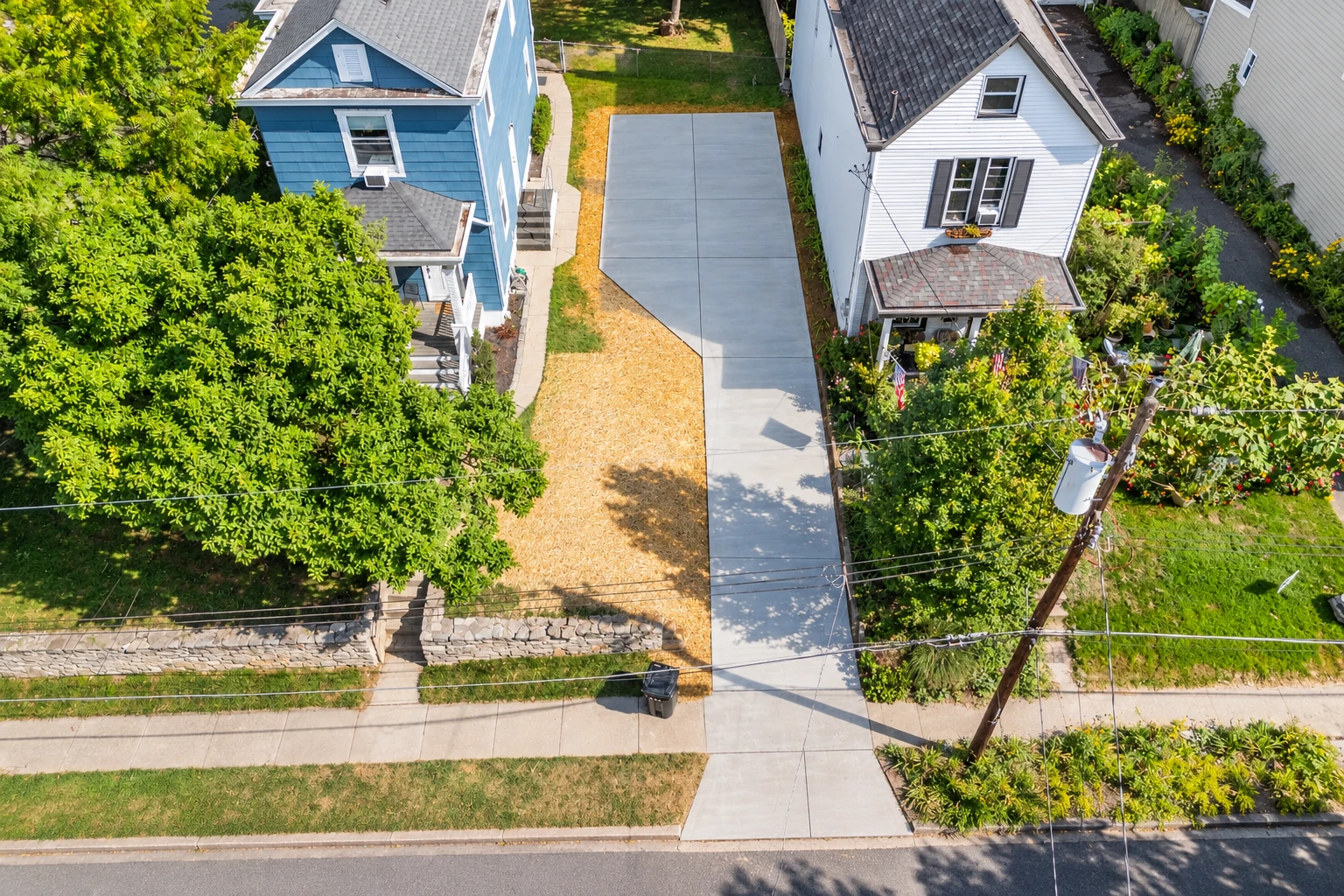
Concrete driveway building
We tear out the old drive, pack a new base and pour with rebar, the steel inside that holds the pieces together if the slab cracks.
Prattville Concrete pours driveways, patios, walks, garage floors and other concrete work for homes and small businesses in Millbrook, AL. I measure each job myself, and my crew digs out and packs the ground before we pour.
We're a concrete contractor in Prattville, AL, and Millbrook is a short drive over, so the jobs here look a lot like the ones at home. Most of it is flatwork, the driveways, patios, walks and garage floors that lie on the ground, and the call usually starts with a slab that's sunk, cracked across or holding water by the house. We do the same work up in Holtville and over in Wetumpka.
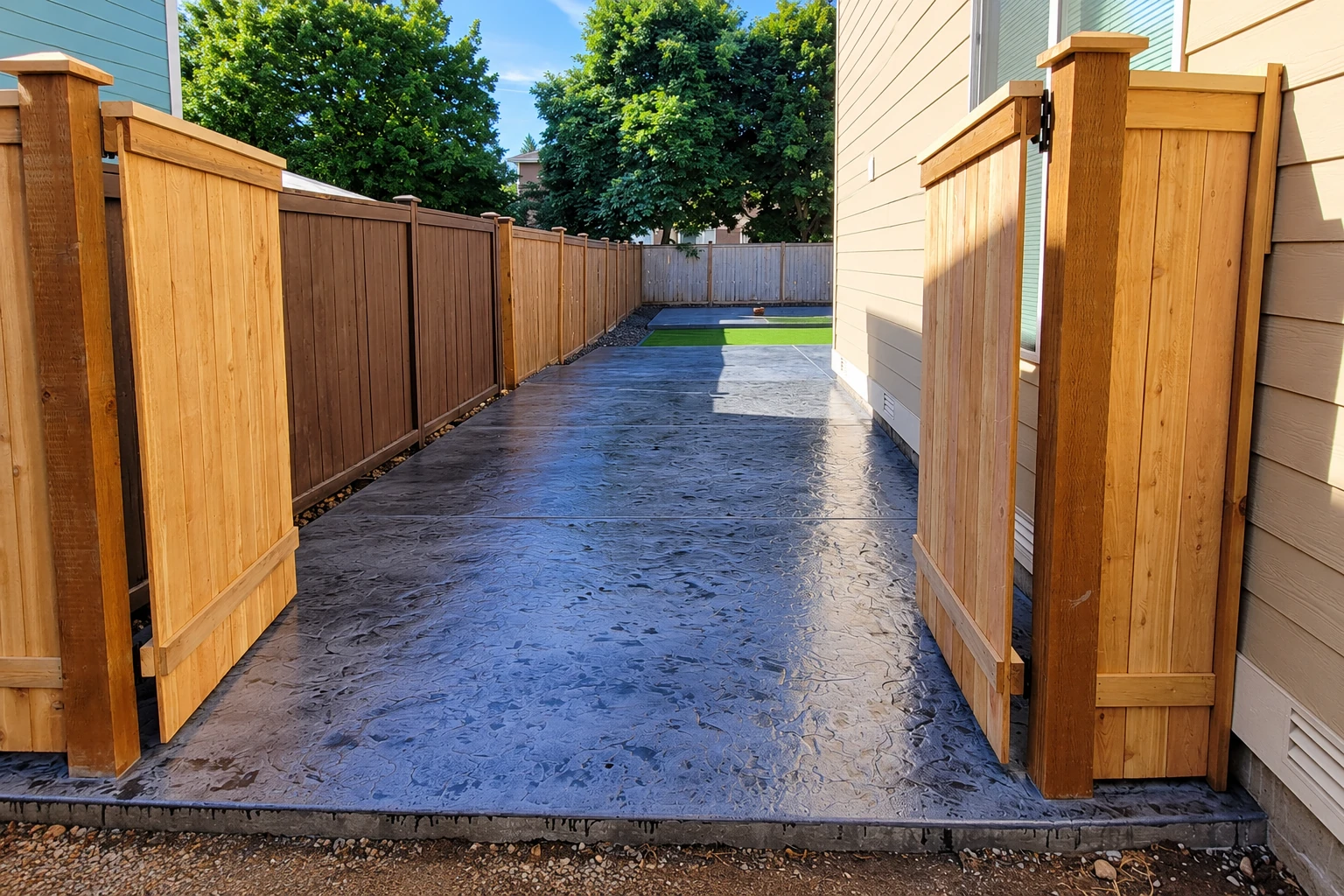
The price comes down to the size and thickness of the slab, how much old concrete and soft dirt has to come out, how much base we bring in and pack, and the finish you pick, from a plain broom finish, the brushed texture that keeps shoes from slipping, to something decorative. The schedule depends on the tear-out, any permit the city wants first, and curing, the wait while the concrete hardens enough to walk on and later drive on. When I come out and measure, you get the number for your job.
Millbrook's Building Department issues permits across the city and its police jurisdiction, so a home outside city limits but inside that jurisdiction goes through the same office. I check your address first.
What's under the slab, the subgrade, matters more to me than the finish. If the budget's tight, cut the finish, not the digging and packing, because a nice top on loose dirt settles with it.
Concrete shrinks as it dries, so it'll usually crack somewhere. We cut control joints, straight grooves in the slab, early enough that the cracks follow them instead of wandering.
We tear out the old drive, pack a new base and pour with rebar, the steel inside that holds the pieces together if the slab cracks.
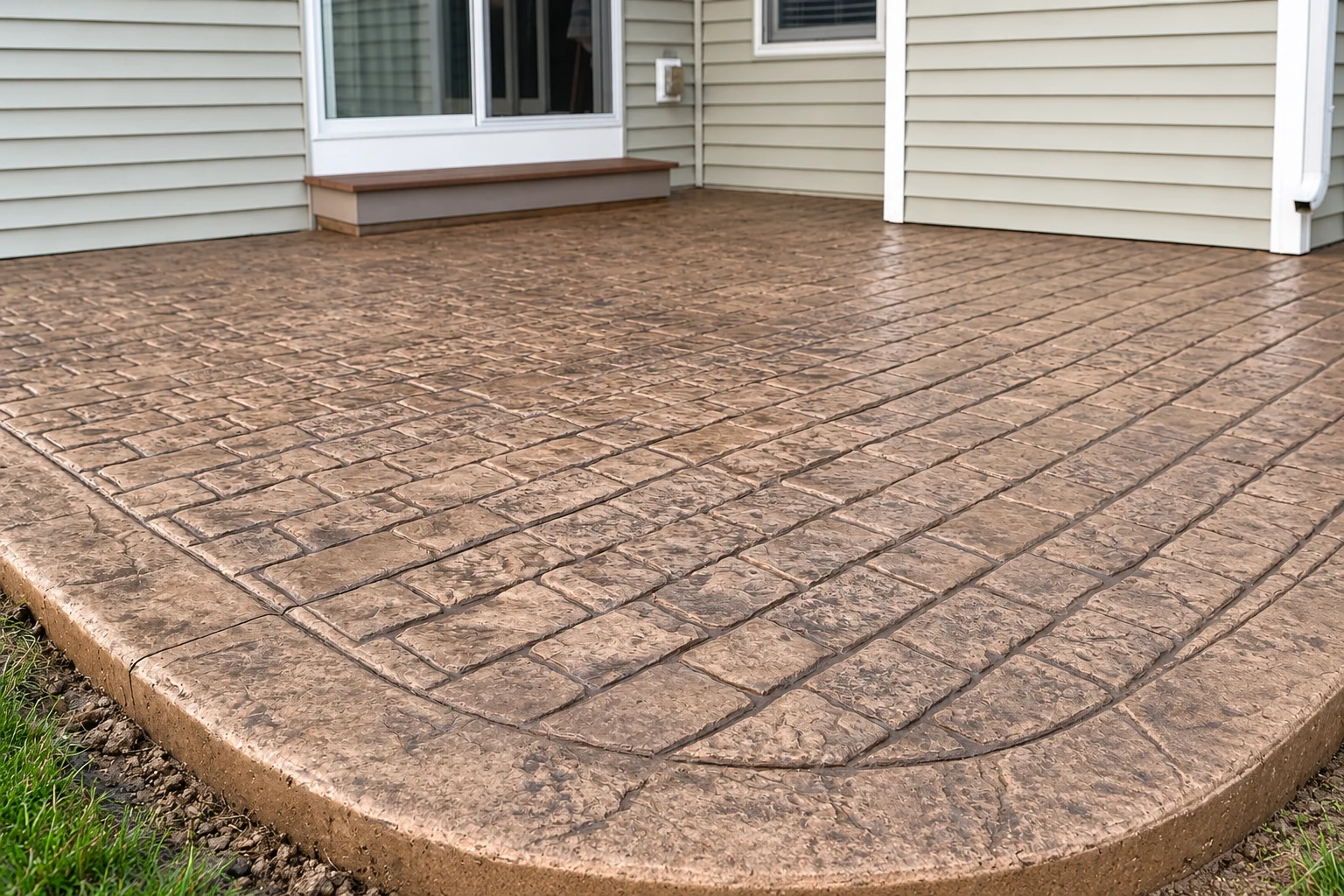
A lot of patio calls start with water standing by the back door. We set the new slab to fall away from the house so rain runs off into the yard instead.
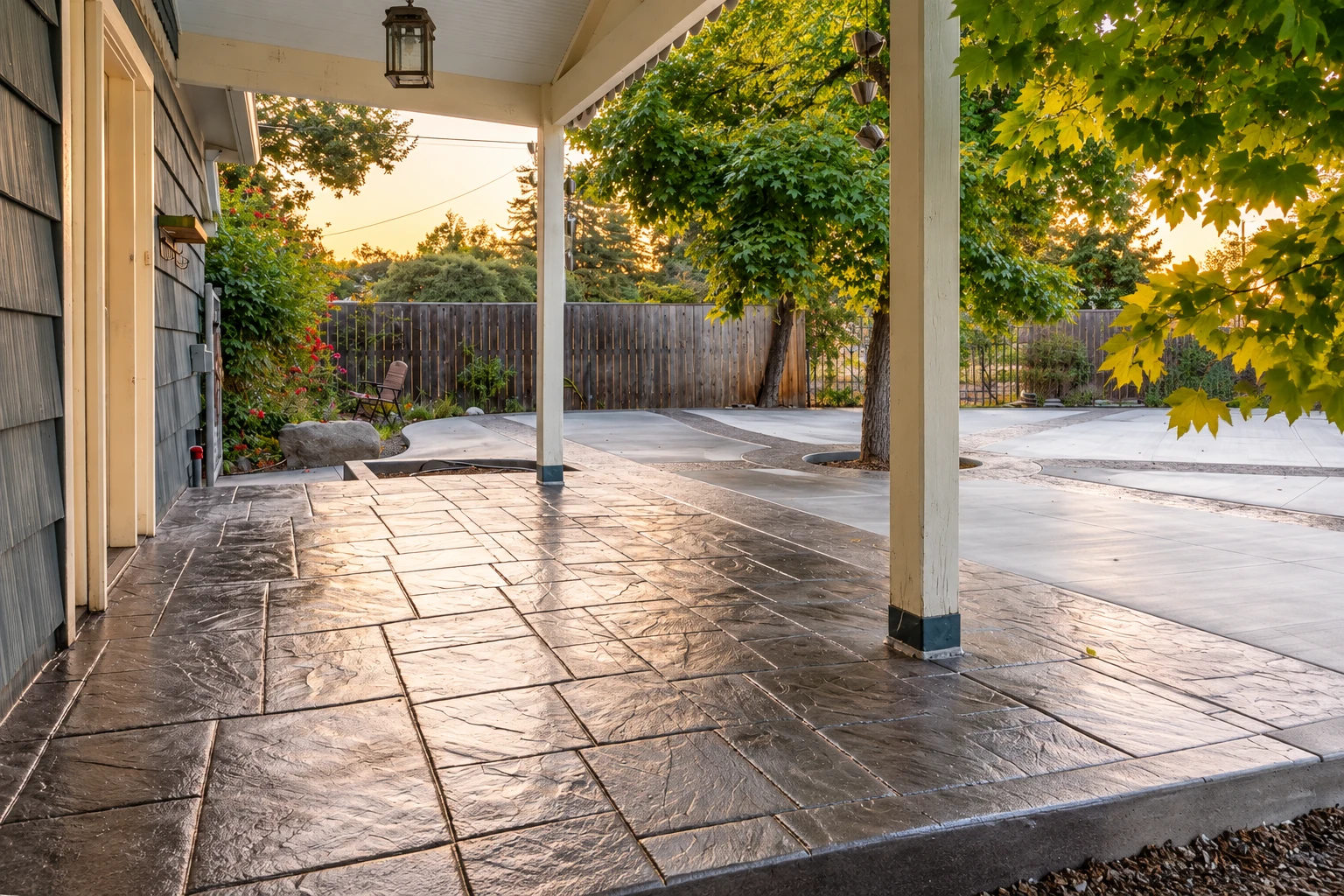
Stamped concrete is colored and pressed so it looks like stone or brick. It goes on the same packed base as plain work, since a pretty top won't hide a sinking slab.
Walks are where I started, pouring them for neighbors. We set the edges with forms, slope them so rain runs off, and cut joints so cracks land in straight lines.
A garage floor takes the car and everything stacked around it. We pour it smooth enough to sweep, with a slight fall toward the door so water off a wet car runs out.
Decorative work covers color, exposed stone and borders on patios, walks and drive edges. We'll tell you which looks hold up to foot traffic and which wear faster under cars.
Where a yard steps down toward the drive or the house, a concrete wall holds the dirt back. We put drainage behind it, since trapped water leans on a wall.
Shops, sheds and work buildings need an inside floor that stays flat under weight. We pack the ground first, then trowel the top smooth or leave it rougher, depending on the use.
A pool deck needs a top that isn't slick when it's wet. We give it a texture bare feet can grip and slope it so splash water runs off, not back in.
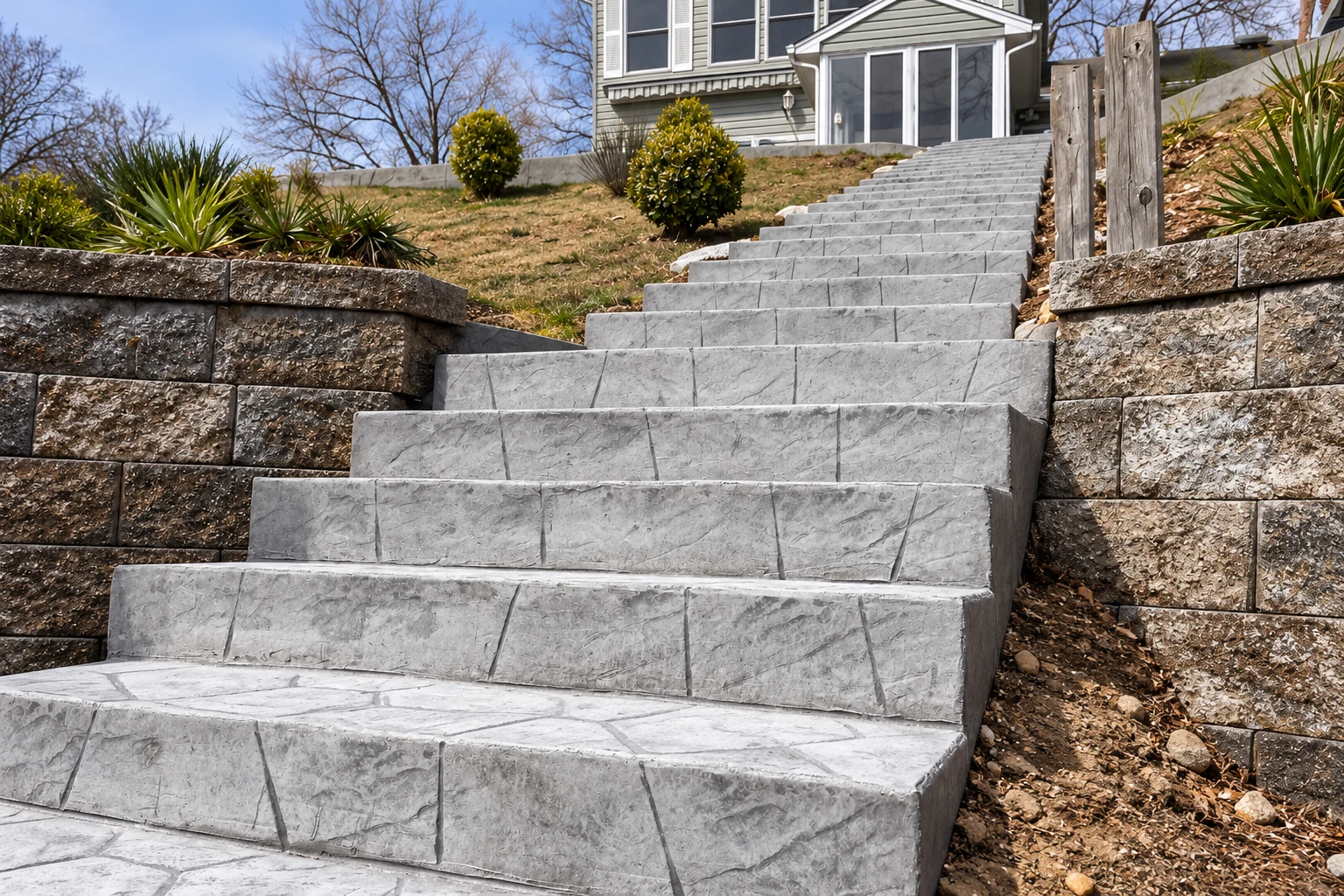
Steps that rock or chip at the edges are a common call. We pour new ones with even rises so nobody catches a toe, set on a footing so they stay put.
A slab foundation is the floor and footing of a building, often poured at once. We put our time into the ground under it, since nobody fixes that once walls go up.
For additions, garages and outbuildings, we lay out, dig and pour the foundation to your plans. Square, level forms on day one save trouble with every wall that follows.
Small business owners call us for lots and drives that take delivery trucks. We pour thicker where heavy wheels turn and plan where water goes so it doesn't sit in the spaces.
Footings are the concrete under walls, posts and additions that spreads the weight into firm ground. We dig down to solid dirt, not just to whatever depth is quick.
When a slab or part of a foundation has sunk, raising it can sometimes save a tear-out. We find out why it sank, since lifting won't help if the ground keeps moving.
We saw out cracked sections, cut openings for doors or pipes and add joints to slabs that never got them. Clean, straight cuts let a patch meet the old slab neatly.
Send the form and we'll get back to you within one business day to set a time. I come out, look at the ground and measure, and the estimate is free with no obligation.
I'm the one who measures your job, and I'm on site running the crew when we dig and pour, so what we talked about in your driveway is what gets built.
I check where the water runs, how the old slab failed and how a concrete truck gets to the spot, because those decide how we build it.
Not every bad slab needs to come out. If cutting out one section or raising it will do, I'll tell you, and if it's too far gone, I'll say that too.
What homeowners in Millbrook usually ask us about permits, licenses and whether a new slab will hold up.
The city's Building Department decides that, so we ask it about your address before we set a date. Its permit list names building, electrical, roofing, plumbing, mechanical, sign and pool work, and any permitted job carries a city fee. When your job needs a permit, we handle the application or walk you through it, and we don't start ahead of it.
On a paid job at a home someone else lives in that costs more than $10,000, the state requires a license from the Home Builders Licensure Board, renewed every year. A separate state board licenses general contractors on jobs over certain dollar amounts, and Millbrook wants its building permit application turned in by one. The builder law leaves you free to work on your own home yourself.
Yes. The city requires a business license, with a fee, before anyone does or solicits business in Millbrook or its police jurisdiction. Licenses renew every January 1 and are late after January 31, with interest and penalties, so it's fair to ask a contractor whether theirs is current.
It may get a hairline crack or two, but it shouldn't break up and sink like the old one when the cause gets fixed. Old drives usually fail because the base was only raked level, water ran under them or the joints were cut late, so we dig out and pack the ground, set the slope away from the house and cut joints on time.
These are the cities with their own page here, and we work in plenty of other cities around them. If yours isn't listed, call or send the form and ask.
Tell us about the job on the form, or call (334) 788-0315 any day from 6 AM to 11 PM.