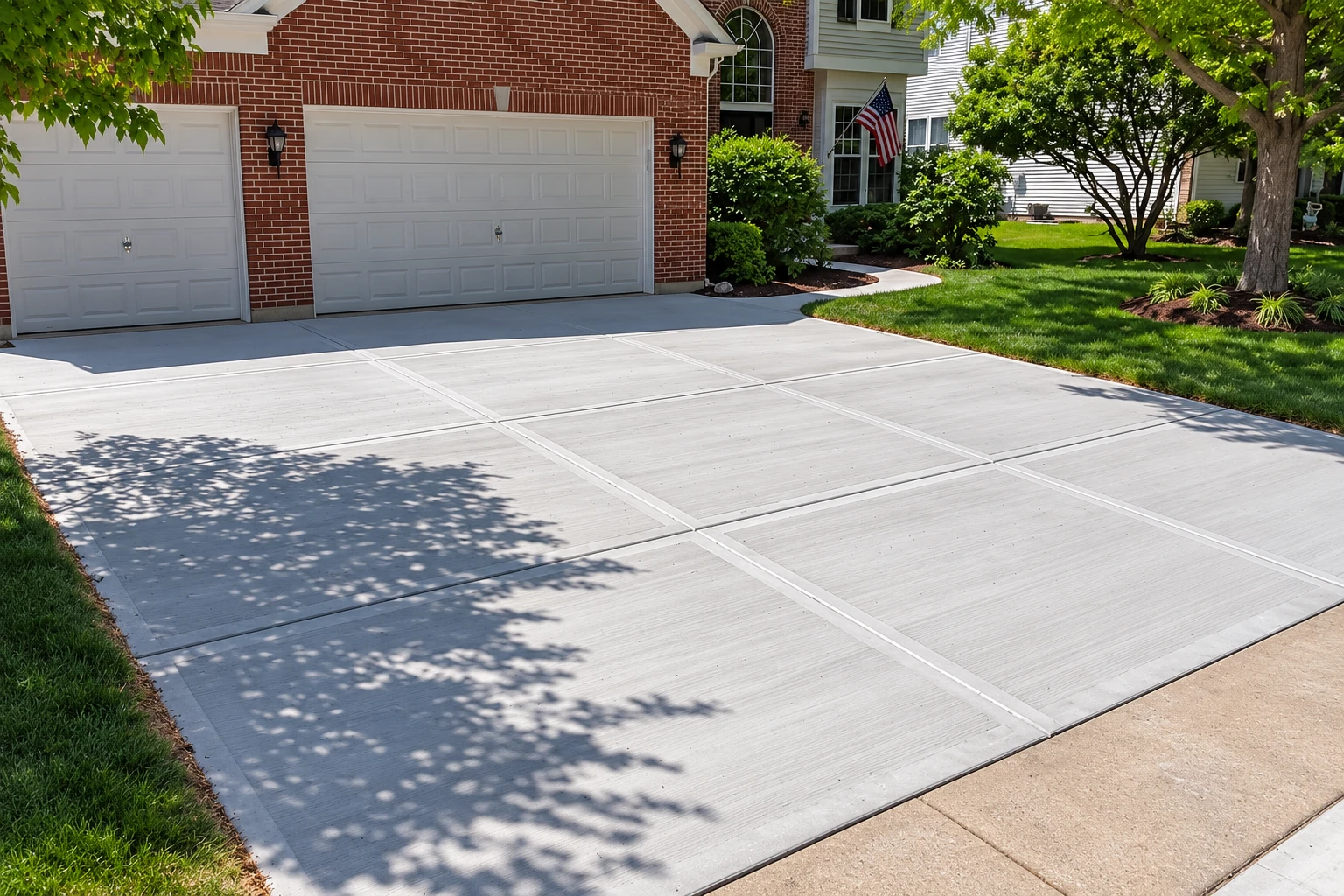
Concrete driveway building
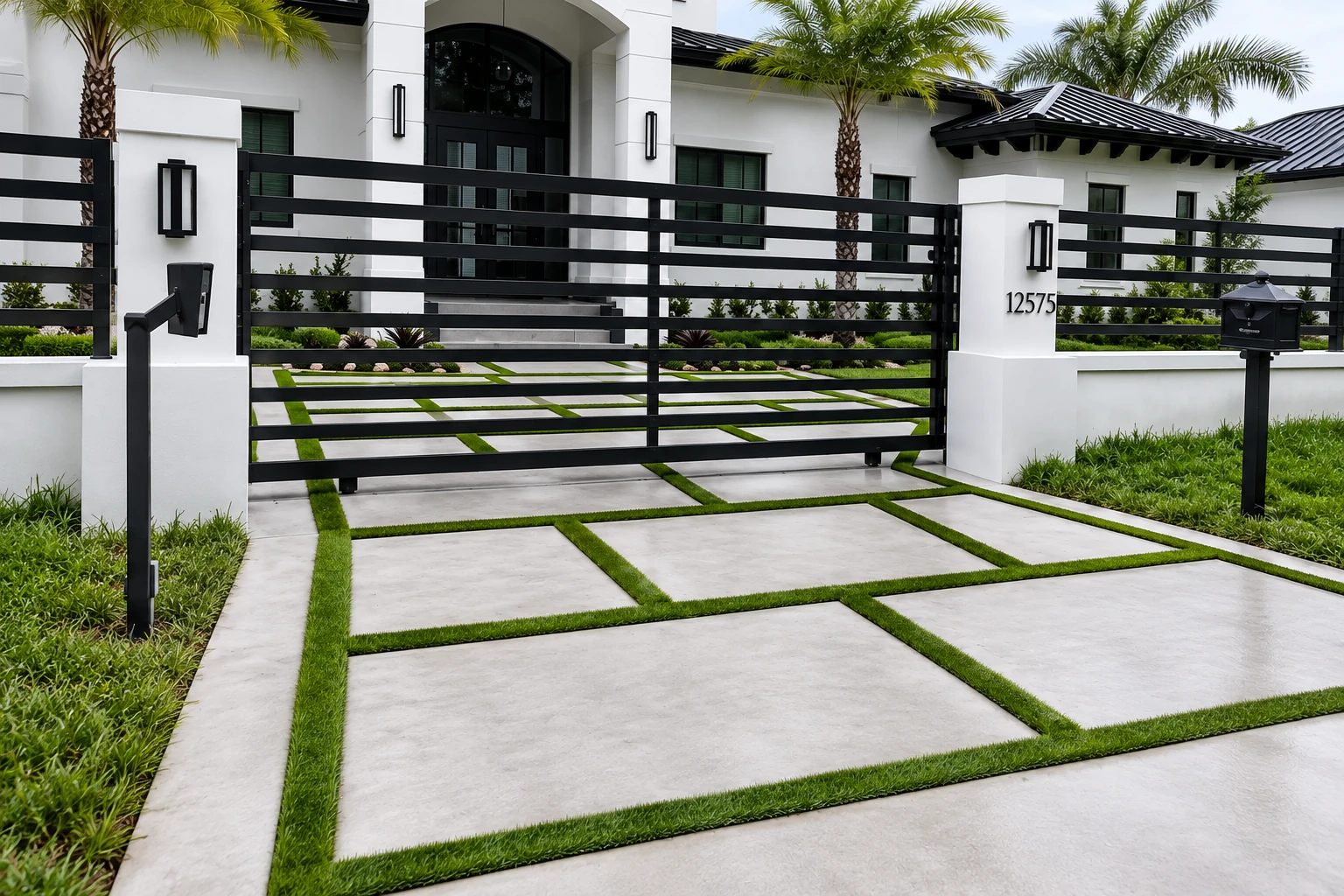
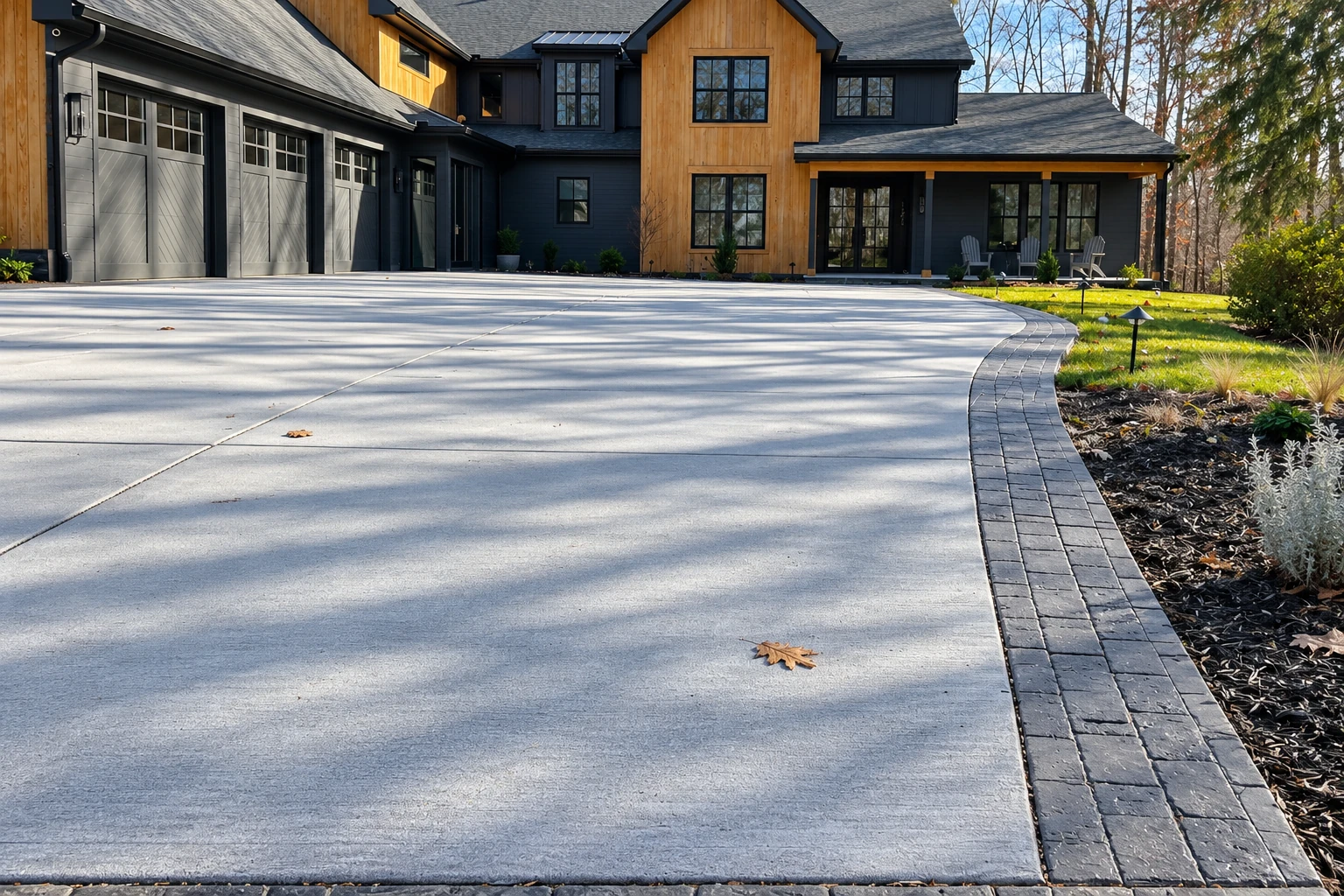
We dig out and pack the base, set rebar, the steel that keeps cracked pieces from shifting apart, and slope the drive so rain runs toward the street, not your garage.
Prattville Concrete is a concrete contractor based in Prattville, AL. We pour driveways, patios, garage floors, walks and slabs for homes and small businesses here, and we dig out and pack the ground under them first.
Most of our calls in Prattville come from homeowners who want a new driveway, patio, garage floor or walk, plus some small business owners who need a slab or a lot. We're based here, and we do the same work in Montgomery, Millbrook, Wetumpka and plenty of other cities around them.
The price moves with the size of the slab, how much old concrete has to be broken out and hauled off, how much digging and packing the base needs, and the finish you pick, since a plain broom finish, a light brushed texture for grip, costs less than stamped or colored work. The schedule turns on whether your address needs a permit and on curing, the wait while new concrete hardens and gains strength, because you can walk on a slab well before you can park on it. The estimate visit is where you get your own number.
The city flags flooding hazards near the Alabama River, Autauga Creek, Fay Branch, Noland Creek, Pine Creek and the smaller creeks that feed them, and on those lots the city's flood rules can reach the digging and fill that go under a slab, as the flood question below explains. If your house is a historic property or sits in one of the city's historic districts, a change to the outside can need a Certificate of Appropriateness, the approval for exterior changes from the city's Historic Preservation Commission, so we ask before we pour.
I come out to look at the job and measure it myself, then I'm on site running the work with my crew, so the person who priced it is there when it's poured.
We find out what the City of Prattville wants for your address before we set a date, and when a permit's needed we handle it or walk you through it, before any work starts.
If the budget gets tight, cut the fancy finish, not the base, because nobody sees the dug-out, packed ground on day one, but a slab on loose dirt settles and cracks with it.
We dig out and pack the base, set rebar, the steel that keeps cracked pieces from shifting apart, and slope the drive so rain runs toward the street, not your garage.
We check where water runs off your roof and yard before we form a patio, so the slab falls away from the house instead of sending water back against it.
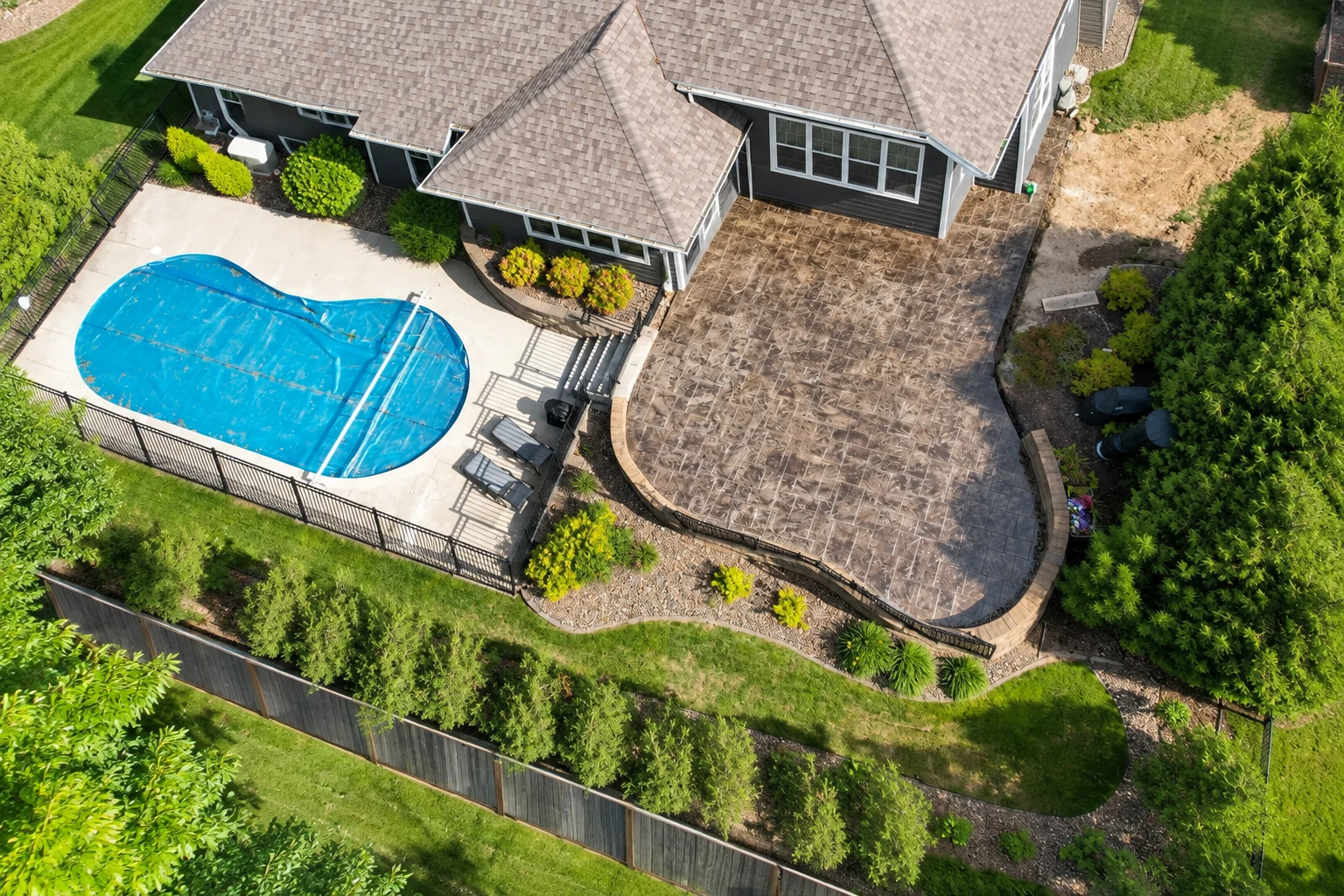
We press patterns like stone, brick or slate into the surface while it's still soft. It costs more than a broom finish and needs the same packed base underneath.
Front walks and side paths that have heaved or sunk get broken out and replaced, with joints cut so the cracks that come land in straight lines, not across the middle.
New or replacement garage slabs, poured with a slight fall toward the door so water dripping off the car runs out instead of pooling by the back wall.
Color, exposed stone and saw-cut patterns for walks, entries and patios. We talk through how each finish wears and how slick it gets when wet before you choose one.
Poured walls that hold back a sloped yard, set on footings with steel inside and drainage behind, because water trapped behind a wall is what pushes it over.
Interior slabs for shops, storage buildings and additions, poured flat enough for shelving and equipment, with the base packed so the floor doesn't settle away from the walls.
A textured top that grips bare feet, and a slope that sends splash water off the deck and away from both the pool and the house.
Front and back steps formed so every step is the same height, because the one step a little taller than the rest is the one people trip on.
Slabs for new houses, additions and outbuildings, with the subgrade, the ground the slab sits on, dug out, packed and checked before any steel or concrete goes in.
Footings and foundation walls for houses and additions, laid out to the plans and set on firm ground, because everything built above depends on what's under it.
Lots and drive aisles for small businesses, poured thicker where trucks turn and sloped to drains, so water doesn't sit where customers park and walk.
Poured pads and trenches under decks, porches, columns and garden walls, sized to the plans and placed on firm ground, since loose dirt left in the hole lets them sink.
When a slab or part of a house has sunk, we look at why first, because lifting it without fixing the water or the base just sets up the next drop.
Saw cuts for new joints, doorways, plumbing trenches and removing a broken section, so we take out only what has to go and leave clean edges for the patch.
Tell us what you want poured or fixed and where, and we'll get back to you within one business day to set a time to come out.
The estimate costs nothing and happens on site, because I can't price a slab honestly without seeing the slope, the old concrete and where the water runs.
You get the number and what drives it, then you decide in your own time. Saying no costs you nothing, and so does asking more questions.
Licensed and insured. Your satisfaction, guaranteed. If a line on the estimate doesn't make sense, ask me right there and I'll give you the reason behind it.
These are the permit, license, flood and cracking questions Prattville homeowners ask us before they book a driveway, patio or slab.
The city's list of residential permits names fences, additions, outbuildings, manufactured homes and new houses, not driveways or patios, so we ask the Building Division about your job before setting a date. If it needs one, residential applications typically take 3 to 5 days for first review, and starting before the permit doubles the fee, so we wait.
Yes. Any business working in Prattville needs a State/County license from the Autauga County probate office and a City license from City Hall, and the city issues building permits only to holders of a valid City license. Alabama also has residential home builders licensed yearly by the Home Builders Licensure Board for paid work on someone else's home over $10,000.
You can look at the Flood Insurance Rate Maps, which mark the floodplain, at the Prattville Planning Department. That matters for a slab, because most work in the mapped flood hazard area, including filling or digging out ground, needs a Floodplain Development Permit from the city before we start.
Concrete usually cracks somewhere, so I'll tell you where yours is likely to and cut control joints there, grooves that give the crack a straight, planned line to follow. Most bad cracking we tear out comes from a base that was raked level instead of dug out and packed, or joints cut late or skipped, and we don't skimp on either.
Besides Prattville, these cities have their own page on our site. They aren't the only places we work, so if your address isn't listed, call or send the form and ask.
Call (334) 788-0315 any day between 6 AM and 11 PM, or send the form, and tell us what's cracking, sinking or holding water.